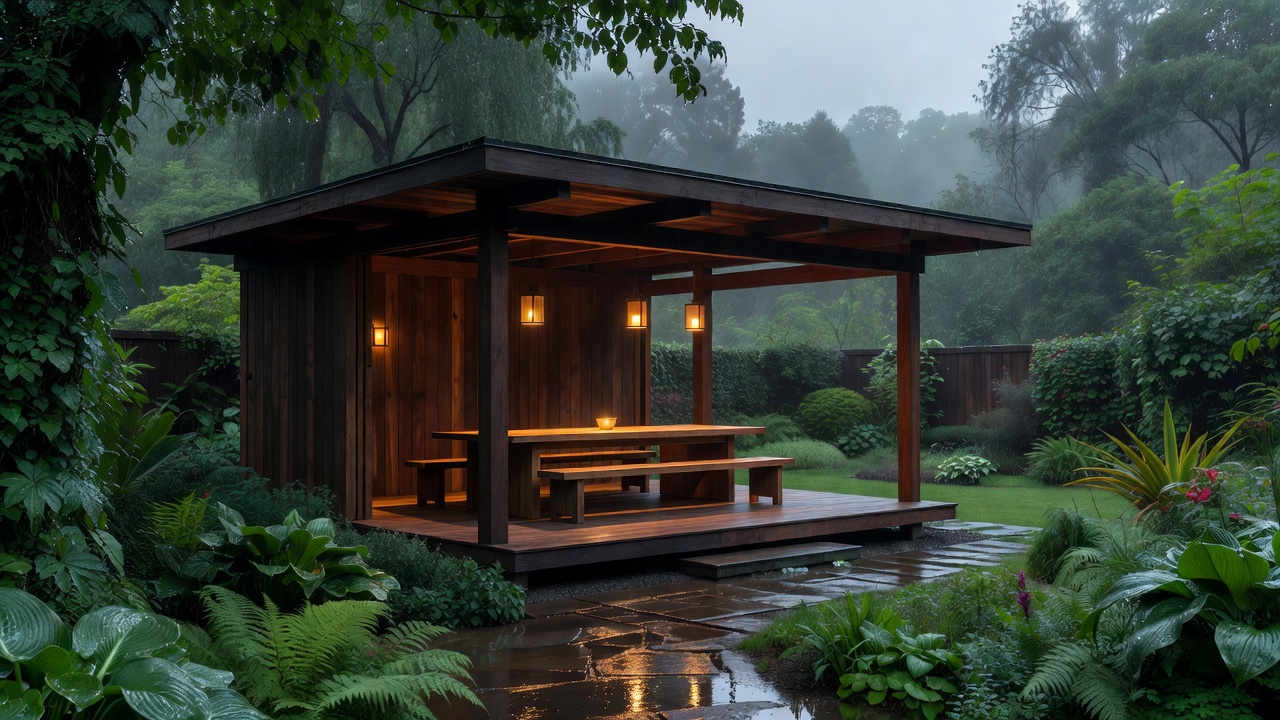
What Photographs Rarely Show
Even well-designed gardens involve physical trade-offs that conventional restaurant reviews gloss over. Before committing a three-hour dinner to an outdoor setting, five grounded considerations help align expectation with reality.
First, examine the rain protocol. Ask directly—never assume—what happens if rain arrives mid-service. Some single-concept garden restaurants cancel open-air tables with twenty-four hours' notice when storms roll in; others shift guests seamlessly into an adjacent conservatory or vaulted cellar. Knowing whether the fallback room matches the quiet mood of the garden prevents disappointment.
Second, consider ground surfaces and footwear. Fine gravel, damp flagstones, and timber boardwalks look poetic by lantern light, yet narrow heels sink quickly into pea stone and smooth leather soles slip on dewy wood. Low-profile footwear makes the threshold walk feel effortless rather than precarious.
Third, dress for the final hour, not the arrival hour. Arriving at 18:30 in bright late-June sun encourages light cotton; by 22:00, stillness and garden humidity drop perceived warmth considerably. Bringing a fine merino knit or dark unstructured jacket keeps attention on the table rather than on goosebumps, even when the venue provides woven blankets.
Fourth, check party-size acoustics. Secluded garden tables shine for two to six guests, where voices remain low and candle pools unite everyone around the linen. Larger celebrations of twelve or more often carry across hedges unless the restaurant dedicates an isolated pavilion or walled orchard alcove exclusively to the group.
Fifth, note accessibility along garden paths. Historic courtyards sometimes feature narrow cobblestone entries, stepped terraces, or uneven gravel. Guests using mobility aids or walking sticks benefit from asking about step-free garden access, firm paved routes to restrooms, and well-lit path edges ahead of time.
The best garden evening begins when you stop wishing the outdoors behaved like an indoor room, and let the night air set the pace.03 / Timing the Calendar
Why Shoulder Seasons Often Outshine July
While peak midsummer draws the most attention, experienced courtyard diners frequently favor late May, early June, and September. In northern Europe, midsummer twilight lingers past 22:30, delaying the quiet drama of true candlelight. By September, dusk falls cleanly around 19:45, wasps have largely retreated, evening air carries the scent of damp earth and late herbs, and kitchens reach the richest intersection of orchard fruit, root vegetables, and wild fungi.